
LAIyam
A Computational System for Carnatic Tāla Intelligence
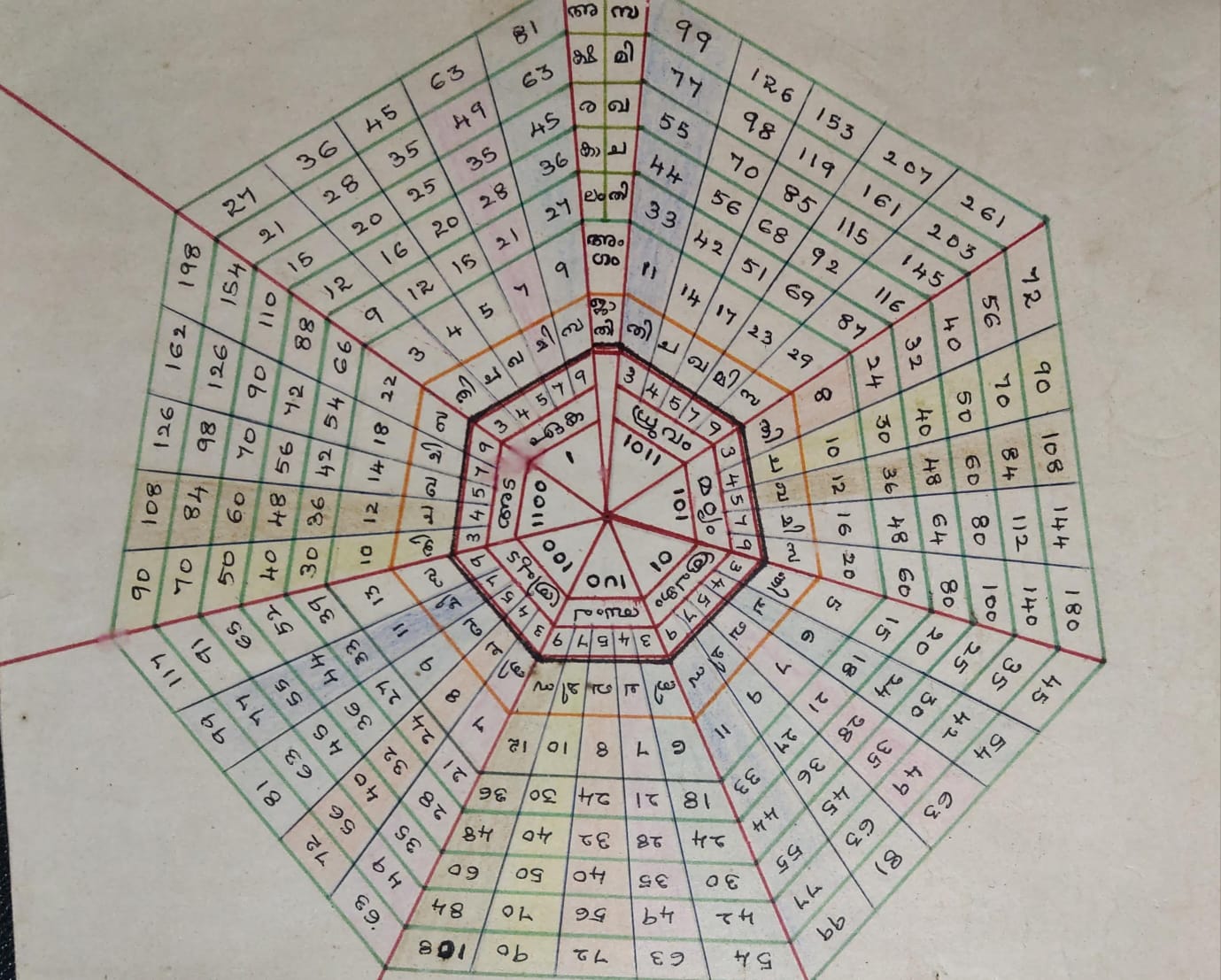
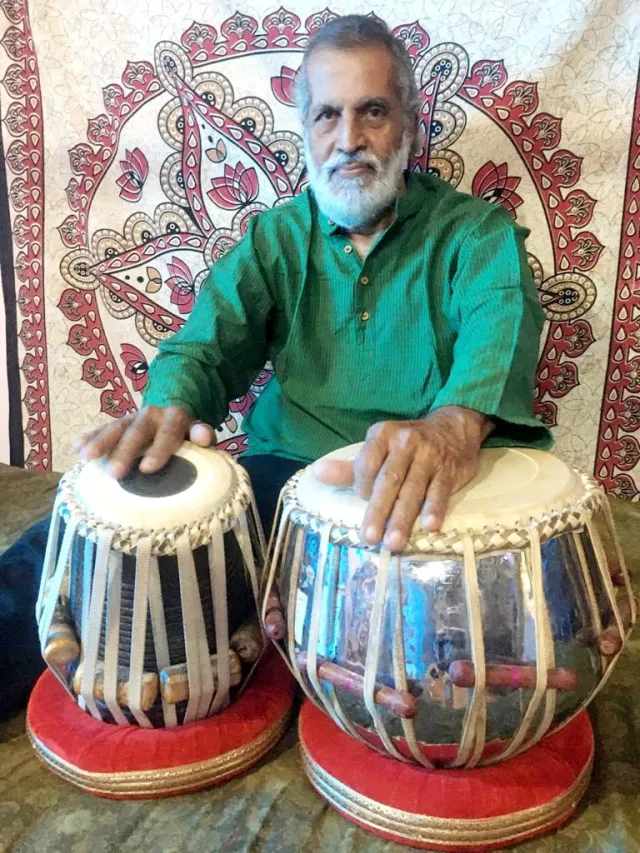
LAIyam began with a Malayalam Tāla Reckoner, reproduced above, painstakingly handcrafted by Tabla Player Mannur P. A. Vasudevan – a remarkable visual mapping of rhythmic structure created long before such systems could be rendered computationally. What began as that handcrafted reckoner has now evolved into A Computational System for Carnatic Tāla Intelligence. LAIyam transforms the architecture of Carnatic tāla into a structured, computable system — bringing together the Sūlādi Sapta Tālas, Jāti and Gati variations, and the wider tradition of 108 Tālas within a single rhythmic framework.
The Foundational Constraint
Carnatic rhythm is built upon an extraordinarily sophisticated system of tālas, aṅgas, jāti, gati and kriya.
Yet much of this architecture is traditionally encountered through individual compositions, memorised patterns, tables, or dispersed textual sources.
As the number of combinations increases, understanding the relationship between these elements becomes progressively more difficult through memory and manual calculation alone.
The structure exists.
What is often missing is a unified way to explore it.
The Systemic Alignment
LAIyam converts Carnatic tāla theory into an interactive computational framework.
It brings together:
- The Sūlādi Sapta Tāla system
- The five Jātis
- The five Gatis / Nadais
- Aṅga structures
- Akṣara calculations
- Kriya sequences
- The expanded tradition of 108 Tālas
Users can move from the name of a tāla to its underlying rhythmic architecture and examine how its structure changes across different rhythmic parameters.
Tāla becomes explorable, not merely memorised.
Rhythm as Structure
LAIyam separates the components of rhythmic organisation and then reconnects them computationally.
Tāla defines the structural cycle.
Jāti determines the numerical value of the Laghu.
Gati / Nadai determines subdivision.
Aṅgas define internal architecture.
Akṣaras and Kriyas reveal how that architecture is counted and physically expressed.
The result is a transparent representation of the logic underlying Carnatic rhythm.
Beyond the Sapta Tālas
LAIyam extends beyond the familiar Sūlādi Sapta Tāla framework into the traditional system of 108 Tālas.
This brings rare and historically significant tāla structures into the same exploratory environment as the commonly performed tālas.
Complex rhythmic forms can therefore be examined structurally rather than treated simply as names preserved in tradition.
Why It Matters
When Carnatic rhythm is represented as a coherent system rather than a collection of isolated tālas:
- Relationships between tālas become visible.
- Complex structures become easier to understand.
- Jāti and Gati transformations become immediately apparent.
- Rare tālas become accessible to systematic study.
- Students, musicians, teachers and researchers gain a common analytical framework.
LAIyam transforms Carnatic tāla from something to be looked up into something that can be explored.
Ready to explore your tāla?